
Beyond Tofu and Tempeh: The Next Generation of Plant-Based Proteins
#SugarBalancedLiving
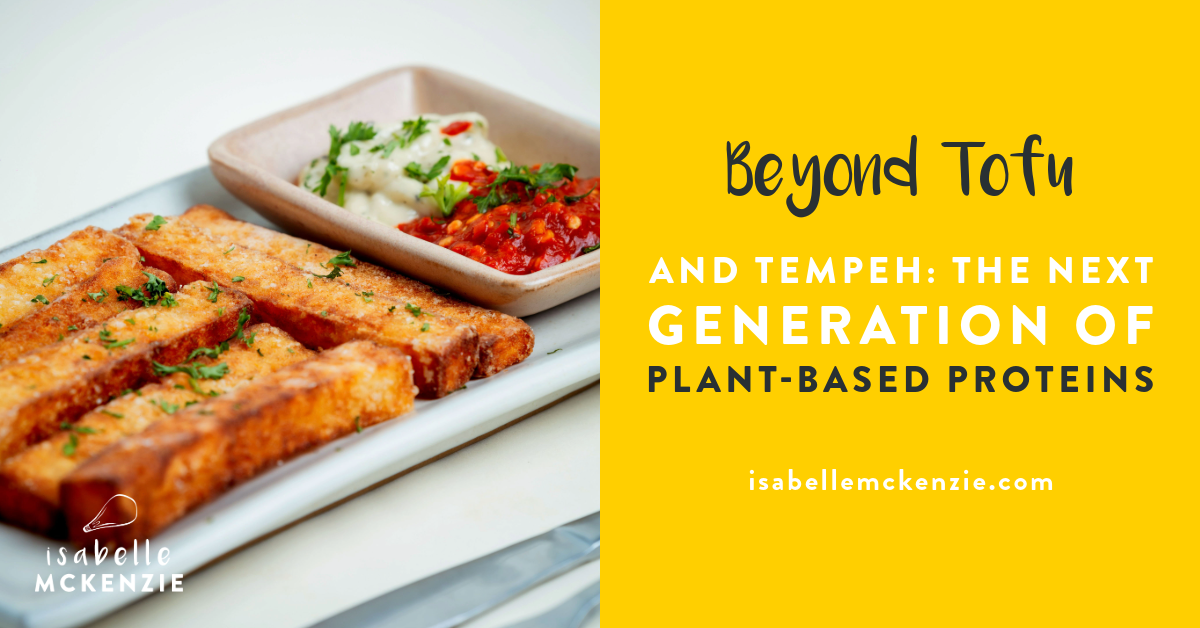
When we think about plant-based protein sources, our minds typically drift to the usual suspects, chicken breast alternatives, soy-based products, and perhaps a handful of legumes we've been eating since childhood. But the landscape of plant-based nutrition is shifting, and some of the most exciting developments in sustainable food are happening quietly in labs and agricultural ventures around the world. If you're serious about optimizing your nutrition or exploring alternatives to traditional protein sources, it's time to expand your understanding of what's actually available.
The rise of interest in plant-based eating isn't driven solely by ethical or environmental concerns, though those certainly matter. Many people are discovering that diversifying their protein sources leads to better nutrient absorption, improved digestive health, and more stable energy levels throughout the day. The problem is that most of us are cycling through the same five to seven protein options repeatedly, which means we're missing out on unique nutrient profiles and micronutrients that lesser-known sources can provide.
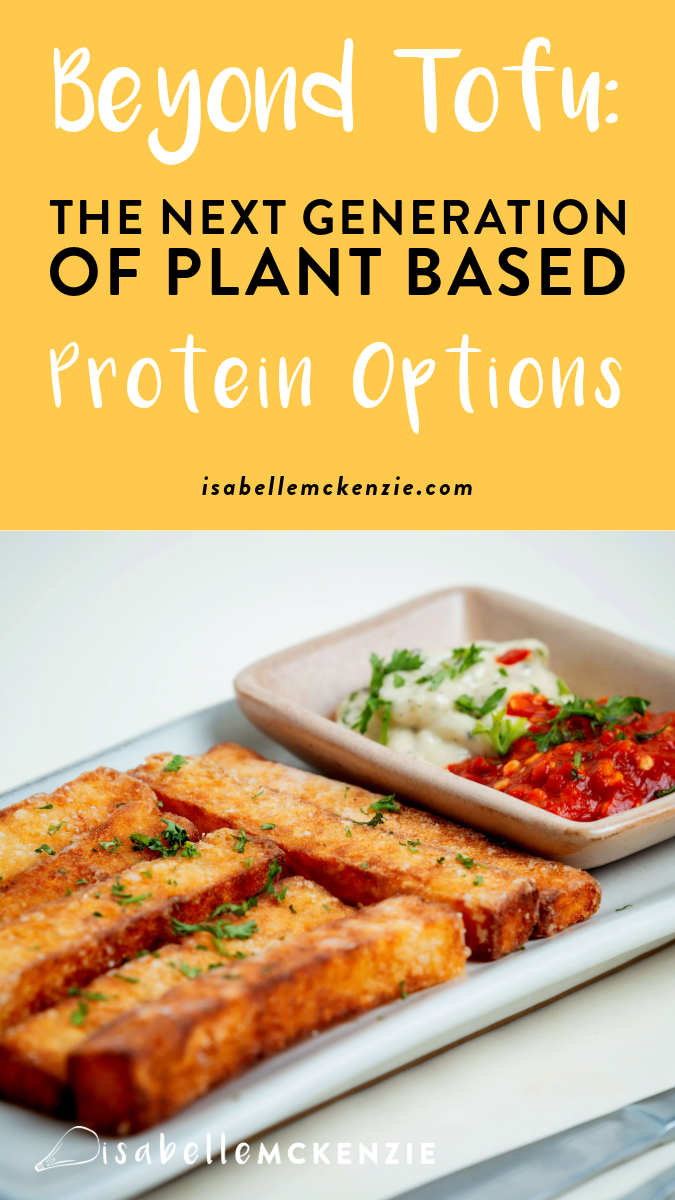
The Problem With Protein Monotony
Here's something most nutrition blogs won't tell you: eating the same protein source multiple times a week actually works against your health goals. Your body adapts quickly to repetitive stimulus, and when you're consuming identical amino acid profiles day after day, you're not giving your system the diversity it needs to thrive. Different plant proteins bring different micronutrient packages along with them. Spirulina brings iron and B vitamins. Lentils contribute polyphenols and resistant starch. Hemp seeds offer omega-3 fatty acids in a ratio your body can actually utilize effectively.
The conventional wisdom has always been to focus on "complete" proteins, those containing all nine essential amino acids. While this matters, it's become something of an obsession that overshadows the bigger nutritional picture. You don't need every protein source to be complete on its own, as long as you're eating a variety throughout the day and throughout the week.
Emerging Plant Proteins Worth Your Attention
The plant-based protein space is experiencing genuine innovation. Companies and agricultural initiatives are exploring aquatic plants, heritage grains, and fermented foods in ways that create new nutritional possibilities.
Algae and Duckweeds
One of the most underrated categories is aquatic plants. Spirulina has had its moment in the wellness spotlight, but there's an entirely different tier of aquatic nutrition that's just beginning to reach mainstream awareness. Certain species of duckweed, for instance, contain around 40 percent protein by dry weight, rival the amino acid profile of soy, and require minimal water, land, and resources to cultivate. The efficiency is almost unbelievable compared to traditional agriculture. If you're looking for a protein source that doesn't require vast monocultures or heavy pesticide use, these wolffia supplements represent a genuinely different approach to nutrition.
The beauty of these aquatic sources is that they're not just protein delivery mechanisms. They accumulate micronutrients from their growing environment, which means they naturally contain minerals that traditional crops might lack entirely. They're also remarkably stable during storage and don't require the processing intensity that soy often demands.
Regenerative Agriculture Proteins
Another shift worth tracking is the emergence of proteins from regenerative agriculture systems. Certain heritage grains that were nearly abandoned are making a comeback specifically because they offer different nutritional profiles than their modern counterparts. Einkorn and spelt contain more minerals and have different gluten structures that some people tolerate better. When these grains are grown in regenerative systems, the soil quality itself contributes to nutrient density.
Pulses grown in rotation systems also benefit from the agricultural practices surrounding them. Beans grown in soil that's been properly managed for years don't just taste different, they're nutritionally different. The mineral content reflects the health of the growing system.
The Micronutrient Question
This is where most plant-based protein discussions fall short. People debate amino acid ratios without considering what else is coming along for the ride. When you choose a protein source, you're not just getting amino acids, you're inheriting the entire nutrient package of that food.
Take an egg, for example. Yes, it contains complete protein and all those amino acids everyone talks about. But you're also getting choline, which is crucial for brain health and is genuinely hard to get from plants in adequate amounts. This is why strategic supplementation or careful attention to inclusion of certain plant foods matters.
Some plant proteins bring antioxidants and phytonutrients that animal proteins can't match. Others bring resistant starch that feeds your beneficial gut bacteria. The point is that optimization comes from intentional variety, not from finding one perfect source.
Sugar, Energy, and Fruit
One challenge that often gets overlooked in the protein discussion is how protein sources interact with your overall carbohydrate intake and blood sugar regulation. Many people increase their plant-based protein intake while simultaneously not paying attention to what else they're eating, and their blood sugar stability suffers as a result.
If you're leaning into plant-based proteins, you'll often be eating more whole foods with carbohydrate content. This isn't inherently problematic, but it requires awareness. For instance, if you're relying heavily on certain fruits for micronutrients, it's worth understanding their sugar content relative to their nutritional benefit. Some fruits deliver a lot of nutrition for relatively low sugar impact, while others are more sugar-dense than people realize. You might want to revisit that ranking of fruits with the most and least sugar to understand which fruits work best within your personal nutrition framework.
The point isn't to avoid fruit or to fear fruit sugar, but to make informed choices about quantity and timing. A large smoothie with four different fruits and a plant-based protein powder can easily spike your blood sugar, while a smaller serving of lower-sugar fruit combined with fat and protein provides steady energy.
Practical Implementation
If you're intrigued by moving beyond the standard plant-based proteins, start small. Add one new source to your rotation every two weeks. This allows you to assess how your digestion responds, how your energy feels, and whether you notice any changes in your performance or how you feel.
Don't try to completely overhaul your diet overnight. Maybe you keep your Monday and Tuesday lunches the same, but Wednesday becomes the day you experiment with something new. By the end of a month, you've integrated four novel protein sources without disrupting your baseline eating patterns.
Pay attention to combinations too. Certain proteins pair better with certain foods for optimal nutrient absorption. Proteins with vitamin C sources enhance iron absorption. Proteins with fat sources improve absorption of fat-soluble vitamins. The synergy matters.
The Bigger Picture
What's happening in the plant-based protein space right now is honestly exciting. We're not talking about replacement products that try to approximate conventional foods anymore. We're talking about actual innovations in how humans can source nutrition sustainably and efficiently.
The adoption curve for these foods typically takes time. Most people have to see them mentioned multiple times in sources they trust before they're willing to try something genuinely new. But early movers tend to find that their energy, digestion, and overall health improve when they're intentional about protein diversity.
The foods that will define nutrition in the next decade are probably not going to come from making better versions of chicken nuggets. They're going to come from understanding plants that can deliver nutrition at scale without destroying ecosystems. They're going to come from regenerative agriculture systems. They're going to come from aquatic farming and controlled environments.
Your protein choices matter, but not just because of amino acids. They matter because of everything that comes along with that protein, and because they reflect the agricultural systems that produce them. When you're deliberate about choosing diverse sources, including emerging options that actually represent a different approach to nutrition, you're not just optimizing your individual health. You're participating in the shift toward food systems that might actually be sustainable.
Start with curiosity. Try one new protein source this week. Notice how your body responds. Then try another. By this time next year, your protein diversity will have increased significantly, and you'll have discovered options you didn't even know existed.




I quit my studio Pilates membership eighteen months ago, mostly out of guilt. I was paying for four classes a week and making it to maybe one. So I did what a lot of people do: bought a mat, found some videos, told myself I'd be more consistent at home. I was, for a while. Then I hit a wall, the same one that had pushed me toward a studio membership in the first place.